
Kesten Rono

Ancestral Shipibo Plant Medicine

Ayahuasca retreats & master plant dietas in the Amazon jungle, led by Shipibo maestro Kesten Rono

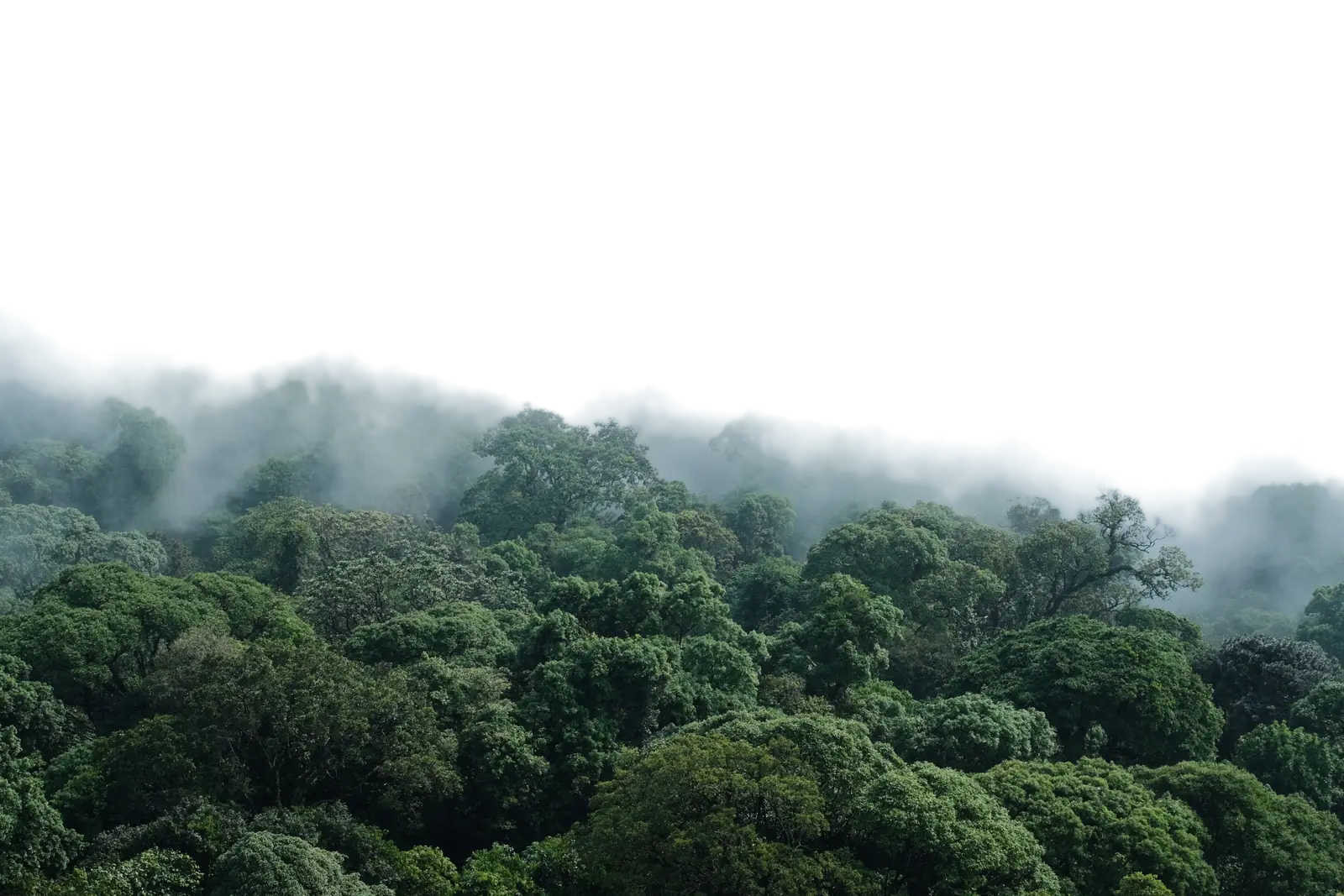
Mist rolling over the Amazon rainforest canopy

Peruvian Amazon

Where the forest becomes the teacher

About Kesten Rono

A healing home held by
Shipibo tradition

Kesten Rono is an indigenous Shipibo healing center in the Peruvian Amazon. Here, ancestral plant medicine is shared the way it has been for generations: guided by experienced Shipibo healers, carried by their icaros (sacred healing songs) and rooted in deep respect for the forest.

Our tambos (private jungle cabins) sit among giant buttress-root trees, medicinal gardens and quiet forest trails. They give you the space, silence and care to rest, heal and reconnect with yourself.

  • Shipibo Healers

    Ceremonies led by maestros and maestras of the Shipibo lineage.

  • Master Plants

    Traditional dietas with the healing plants of the Amazon.

  • Private Tambos

    Your own cabin in the forest for rest and integration.

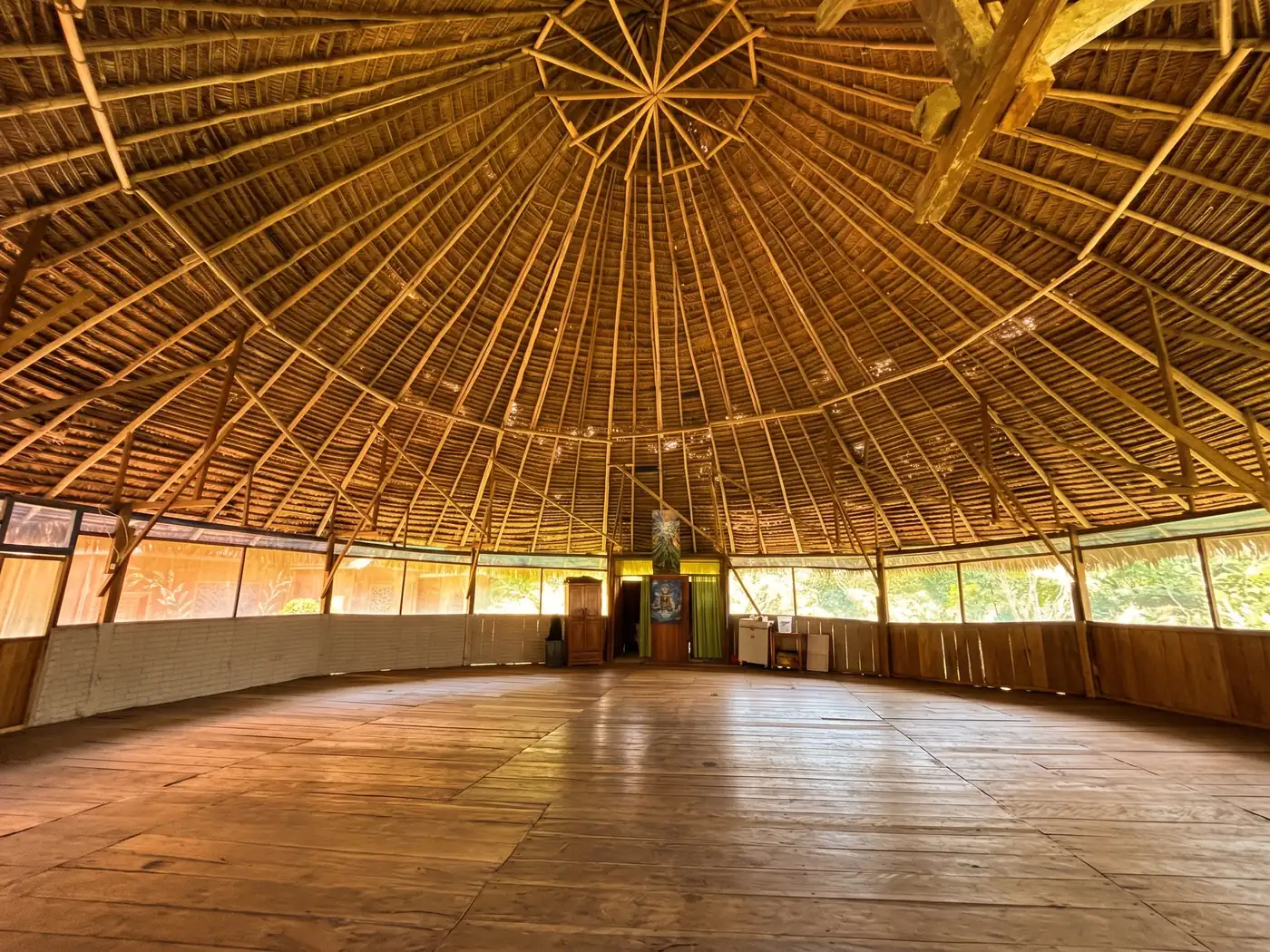
Inside the Shipibo maloka: a round ceremonial house with a woven palm roof, bamboo beams and a warm wooden floor
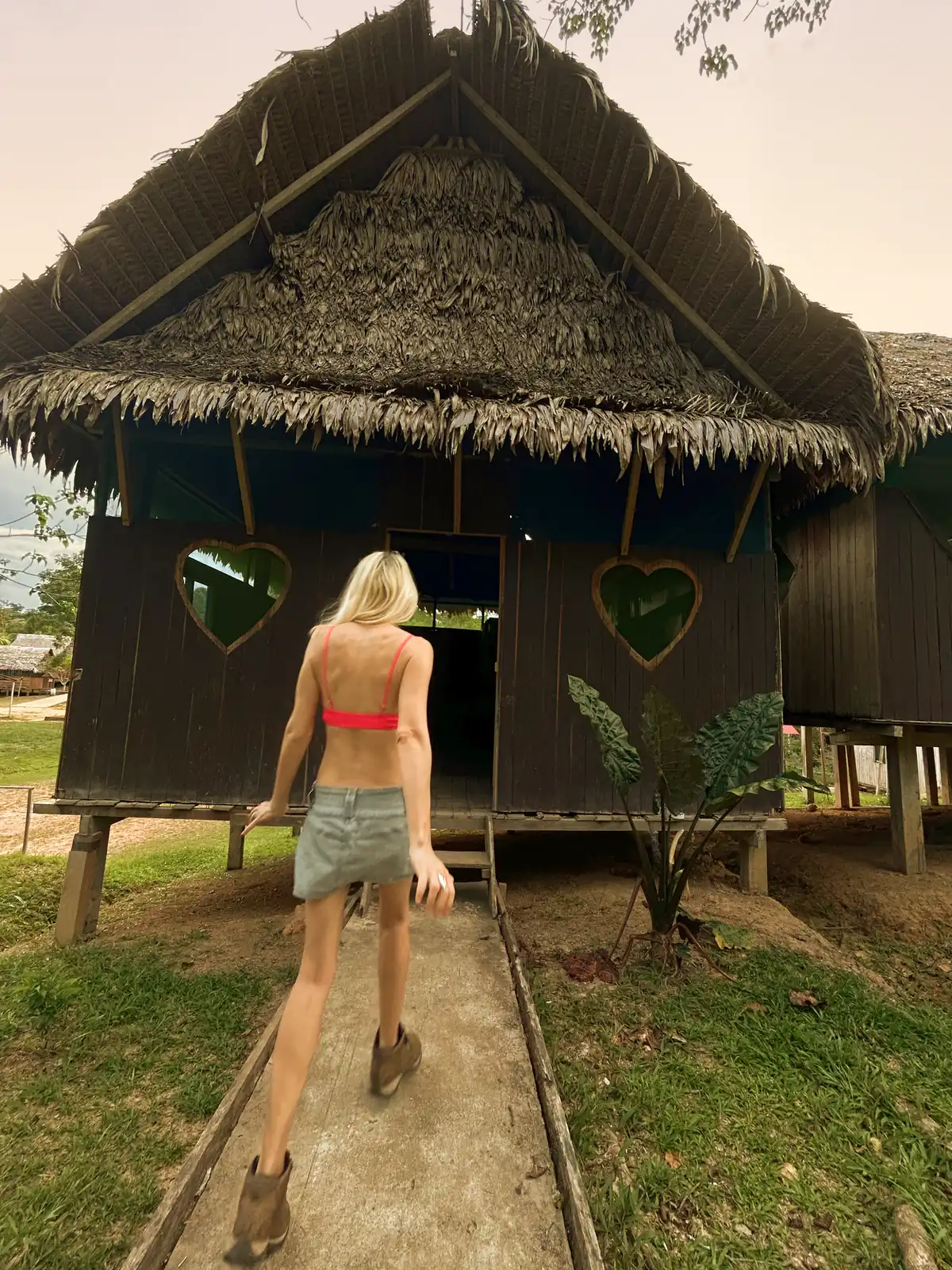
A woman walking along a wooden path toward a tambo with heart-shaped windows at sunset
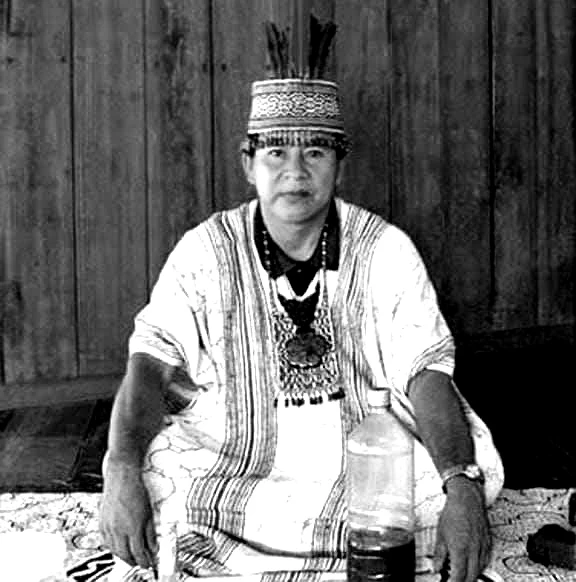
Portrait of Don Enrique López, Shipibo curandero, wearing a beaded crown, a white robe with woven stripes and a kené necklace
Don Enrique López (Kesten Rono) · Shipibo curandero

Our curandero

Don Enrique López (Kesten Rono)

Shipibo curandero · Roaboya, Ucayali River

Kesten Rono is Don Enrique's Shipibo name, and the name this healing center carries.

Don Enrique López is a Shipibo curandero from the community of Roaboya, on the Ucayali River near Pucallpa. His path as a healer began in childhood, guided by his grandfather Angel Sánchez Vargas, a respected curaca, both community leader and healer, whose deep knowledge of medicinal and visionary plants shaped the family's practice long before Don Enrique took it on himself.

He was formally initiated into ayahuasca work as a young teenager, first assisting during ceremonies before entering his own training. At sixteen, he undertook the first of several long plant dietas: disciplined periods of isolation, fasting, and work with master plants such as Catahua, Lupuna, and Ayahuma.

Over the years that followed, Don Enrique practiced and refined his craft across Peru, working with traditional plant medicine before eventually settling in Iquitos, where he continues to practice today. His icaros, plant knowledge, and ceremonial approach remain rooted in what he learned growing up within his family and community.

Shipibo name
Kesten Rono
Community
Roaboya, Ucayali River
Lineage
Grandfather Angel Sánchez Vargas, curaca
First dieta
At sixteen
Master plants
Catahua · Lupuna · Ayahuma
Practices in
Iquitos, Peru
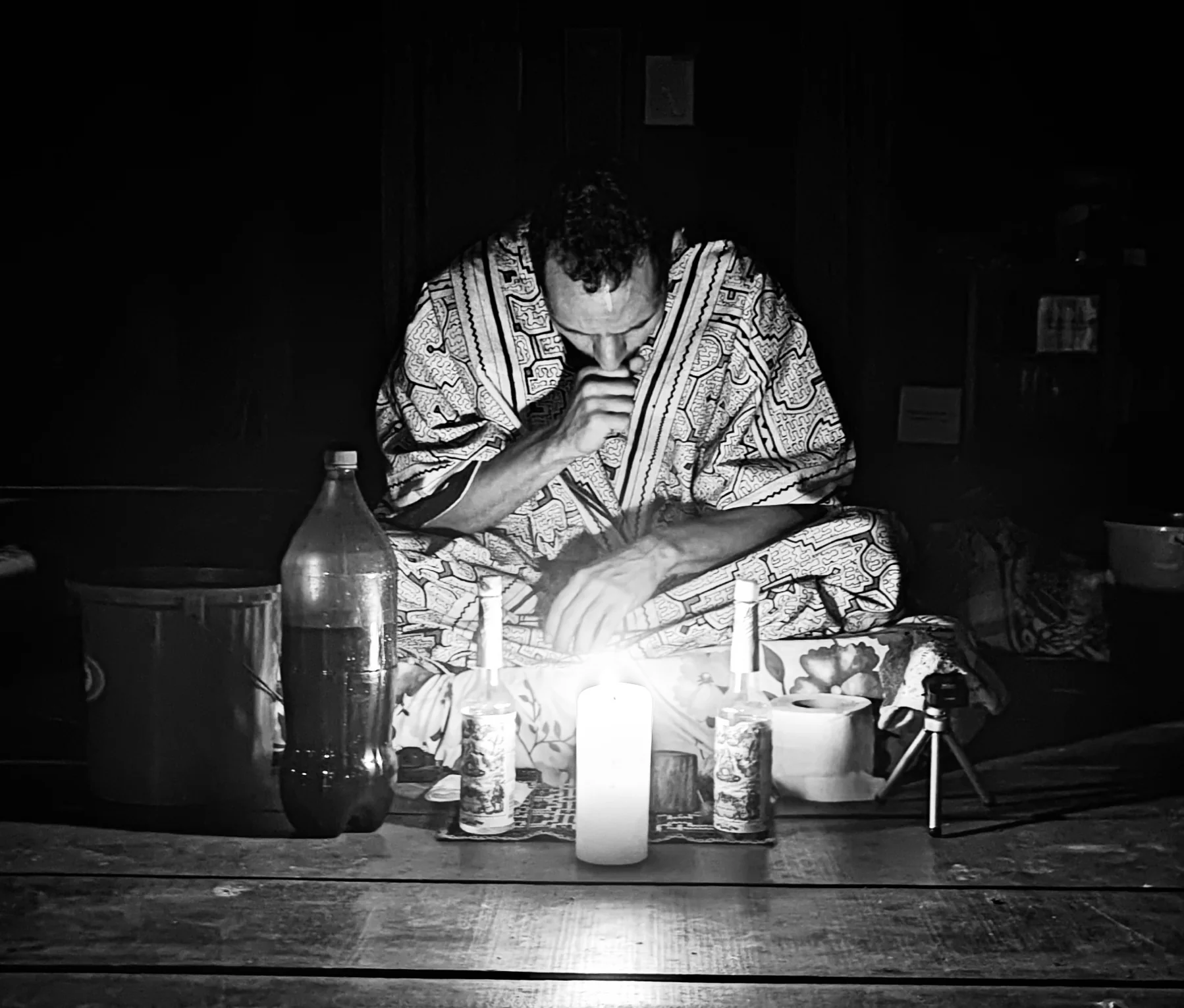
Xawan, wearing a robe covered in Shipibo kené patterns, sits cross-legged on a wooden floor, lit by a single candle between two bottles
Eduardo Santana (Xawan)

Working alongside Don Enrique

Eduardo Santana (Xawan)

Plant medicine practitioner · Shipibo–English translator

Xawan is Eduardo's Shipibo name.

Xawan has walked the path of ayahuasca medicine since 2005. After five years with Diego Palma, he began dieting in 2012 with Shipibo maestro Miguel Rengifo (Jakon Bea), and since 2024 has continued his dietas under Maestro Enrique López (Kesten Rono). He directs NINKATAIBO, a Shipibo Language Learning Project, and translates between Shipibo and English.

Caring for each participant’s safety is central to Xawan’s role. Many ceremonies at Kesten Rono are held with Xawan at Don Enrique’s side. Before each retreat he reviews every participant’s medical history, mental health and medication, and reaches out to their own doctors to confirm the details.

Shipibo name
Xawan
Tradition
Shipibo-Konibo
On the path since
2005
Dietas with
Jakon Bea (2012) · Kesten Rono (2024)
Directs
NINKATAIBO, Shipibo Language Learning Project
At Kesten Rono
Medical screening · supports participants · translates Shipibo–English
Inin smiling with his palms together in greeting, wearing a woven Shipibo kené textile over one shoulder, in the forest
Nick Lewis (Inin)

Working with Don Enrique since 2011

Nick Lewis (Inin)

Retreat organizer · Participant safety · Ceremony assistant · English translator

Inin is Nick's Shipibo name.

Inin has worked with Enrique since 2011 and has undertaken nearly all of his plant dietas under Enrique’s guidance. He organizes the retreat, assists during ceremonies and translates Enrique’s guidance into English when needed.

Safety is at the heart of Inin’s work. Over many years alongside Don Enrique, he has become the bridge between Western medicine and Shipibo healing. Before every retreat he screens each participant’s health history, mental health and medication, and contacts their own doctors to verify the information.

Shipibo name
Inin
Maestro
Don Enrique López (Kesten Rono)
With Don Enrique since
2011
Dietas
Nearly all under Enrique’s guidance
Role
Organizes the retreat · assists in ceremony · translates
Safety
Medical screening · verified with participants’ doctors

Plant Treatments & Dietas

Learning from the
master plants

A dieta is a traditional Shipibo practice: a period of time in isolation and simple food while you take one master plant. The plant becomes your teacher. Guided by the healers, each dieta is chosen for what you came here to heal.

The plants that know how to decorate a body

Among the Shipibo-Konibo and their neighbors in the Western Amazon, healing is not a chemical event. It is a relationship — carried out through diet, song, and the deliberate cultivation of alliances with plants understood to be persons in their own right.

Engraving-style illustration of the Shipibo story of Noya Rao: the great Noya Rao tree with its tall buttress roots, inside a circle of light, rises from the floating village of Cumancaya above the rainforest and the winding Ucayali River at sunset
The flying village of Cumancaya After dieting Noya Rao, the flying medicine tree, a whole village rose into the sky above the Ucayali, kept aloft by an unbroken river of song.

Remedy, and ornament

Rao

In Shipibo, a plant remedy is rao. The word carries a second meaning that shapes the whole practice: rao also means ornament, or decoration. Illness is understood as an unadorned, disordered state, and to heal is to decorate the patient back into order — restoring a clean, socially proper condition rather than simply eliminating a pathogen. Remedies are given both externally, as ritual baths, lotions, and plasters, and internally, as teas, or decoctions.

The plant as a person

Ibo

A healer does not select a plant for a measurable active compound — many plants used in this tradition contain none that biomedicine can detect. What matters instead is the plant’s ibo: its animating spirit, its owner.

When a médico prepares a treatment, the work is relational. He addresses the plant’s spirit directly — communicating with it, instructing it, inviting it to pass its particular quality, whether warming, protective, or restorative, into the patient’s body.

The diet

Samá

The primary way a healer — or anyone — comes to know a plant is samá, dieting: withdrawing to an isolated place, in the forest or a secluded house, and living under strict restriction. Salt, sugar, fat, meat, alcohol, and sexual contact are all set aside while a single plant preparation is taken periodically over the diet’s course.

What the dieter builds through samá is not knowledge in the abstract but an internalized quality: sharpened shinan (mental strength), stronger boman (vocal power), and a personal bond with that plant’s ibo.

Apprentice healers spend years dieting teacher plants — mokapari, ayahuma, bobinsana — to learn curing songs and to strengthen the healing power. The practice is not reserved for specialists: a pregnant woman may diet iwi waste, ray-fish grass, specifically to ease childbirth.

Principal plants

  1. 01

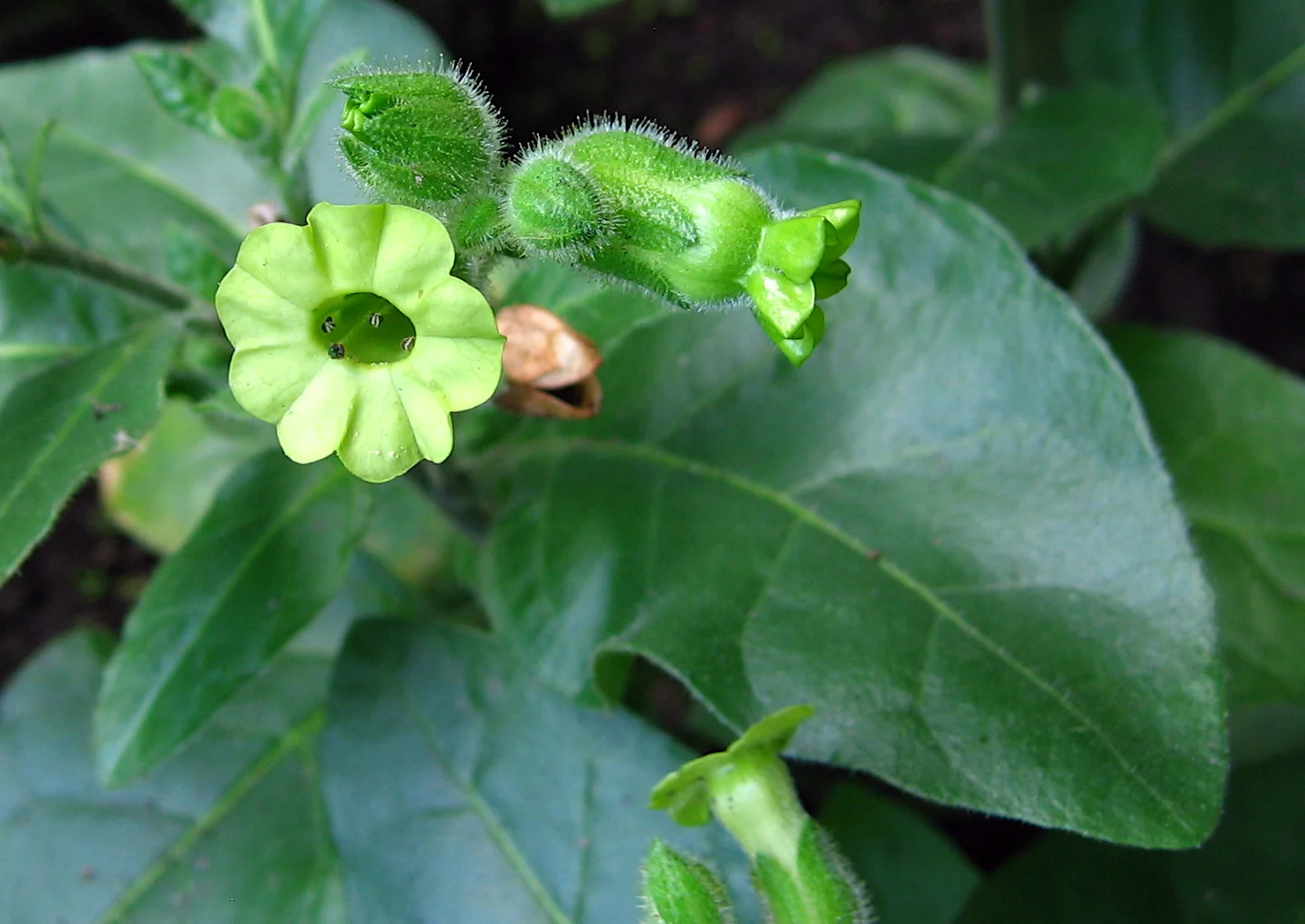
    Tobacco rome · sheri

    The oldest and most essential master plant in Western Amazonian practice. Taken as cigars, through a pipe, or as tobacco water; considered food for the yoshin, used to feed spiritual allies, activate other remedies, and blow away bad air.

  2. 02

    Ayahuasca nishi · oni

    A brew of Banisteriopsis caapi and Psychotria viridis, taken by healers to enter visionary states, open the kano landscape, diagnose illness, and speak directly with non-human persons. Historically one method among several — traditional practice leaned more heavily on plant diets and tobacco than on ayahuasca alone.

  3. 03

    Noya Rao the Flying Tree

    A master plant that carries the light of knowledge, and it appears in ancient Shipibo stories. Dieteros from around the world hold it dear. Its botanical identity has not been confirmed; Terminalia amazonia has been proposed.

  4. 04

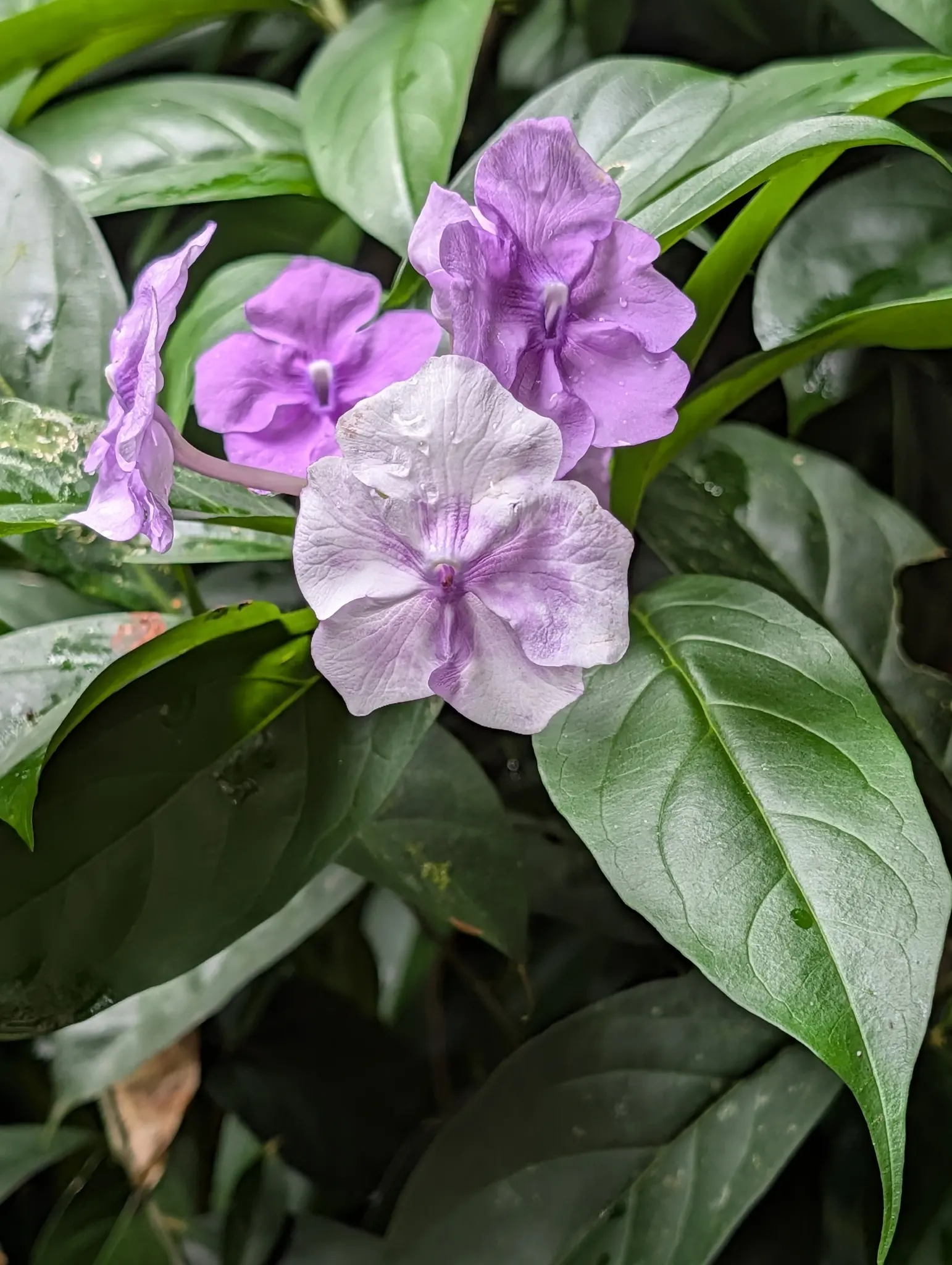
    Mokapari Chiric Sanango · Brunfelsia grandiflora

    A teacher plant dieted to treat conditions of coldness — rheumatism, shivering, diminished vitality — by transferring its warming quality to the dieter.

  5. 05

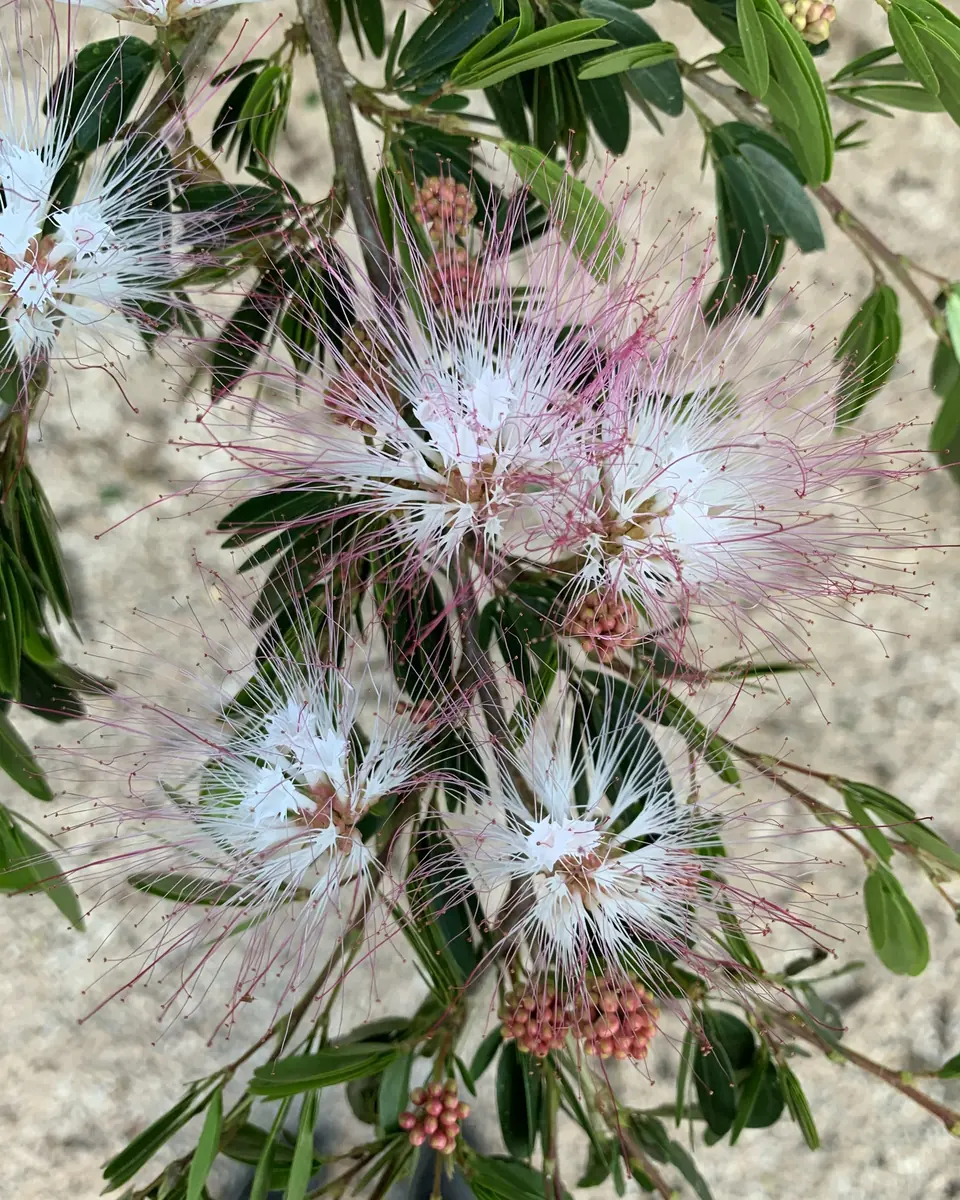
    Bobinsana Calliandra angustifolia

    A shrub of the riverbank, dieted for spiritual strength, protection, and artistic inspiration.

  6. 06

    Kene waste Cyperus spp. · iwi waste

    A family of sedges whose roots are prepared toward specific ends — easing childbirth, sharpening hunting luck, or love magic — depending on the species and the intention behind the diet.

  7. 07

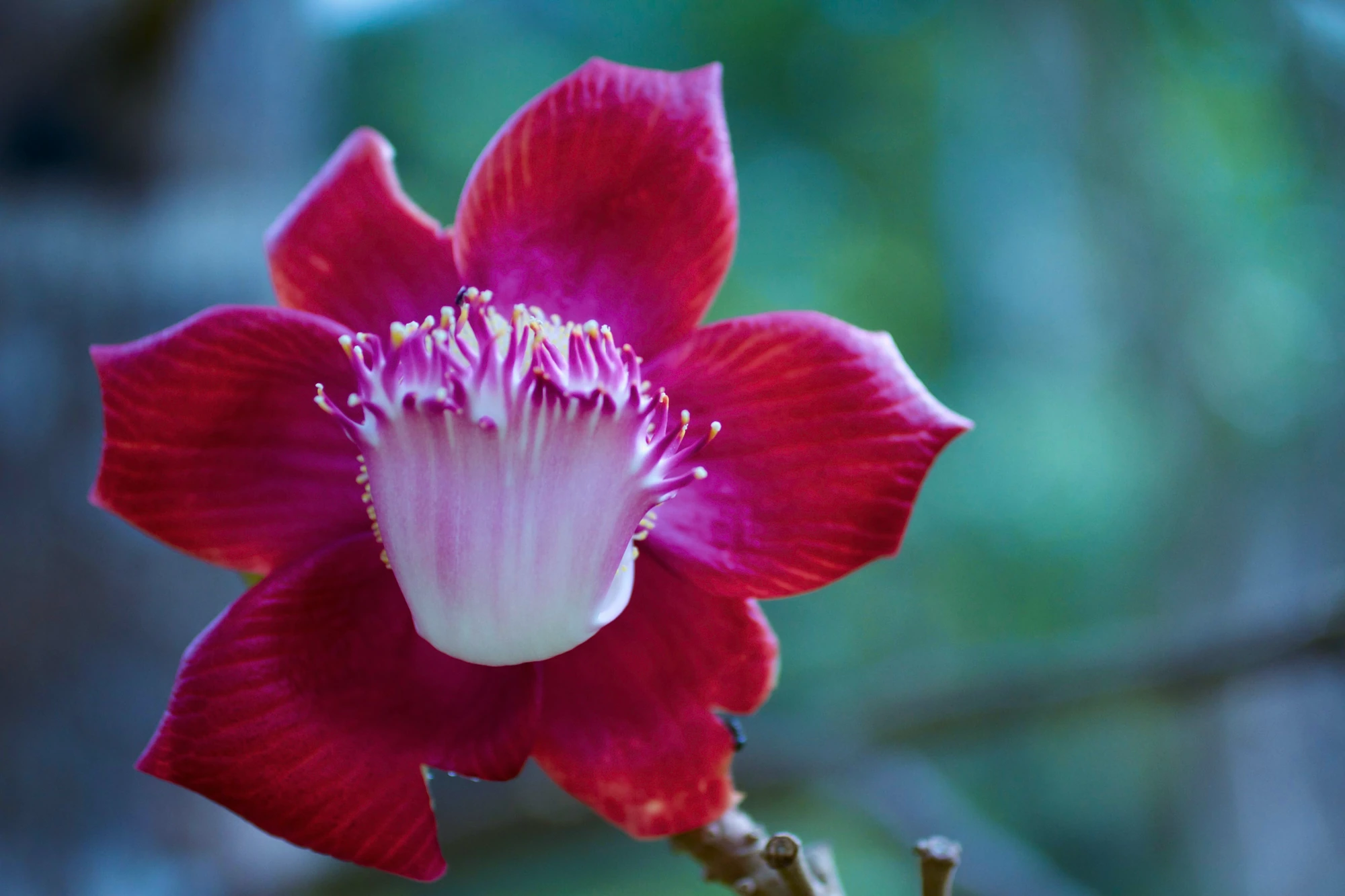
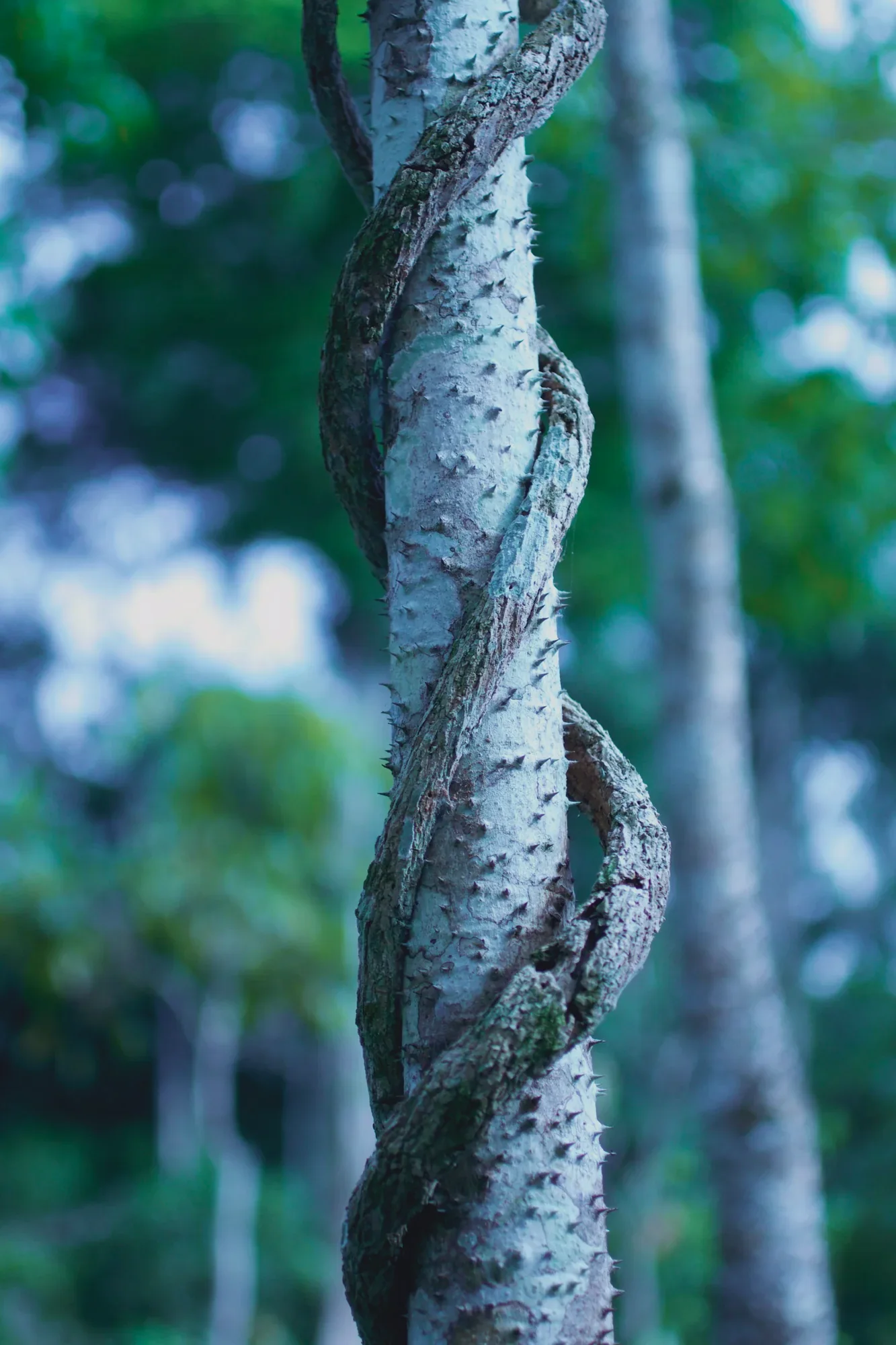
    Ayahuma Couroupita guianensis

    The cannonball tree, traditionally dieted for protection, grounding and strength.

  8. 08

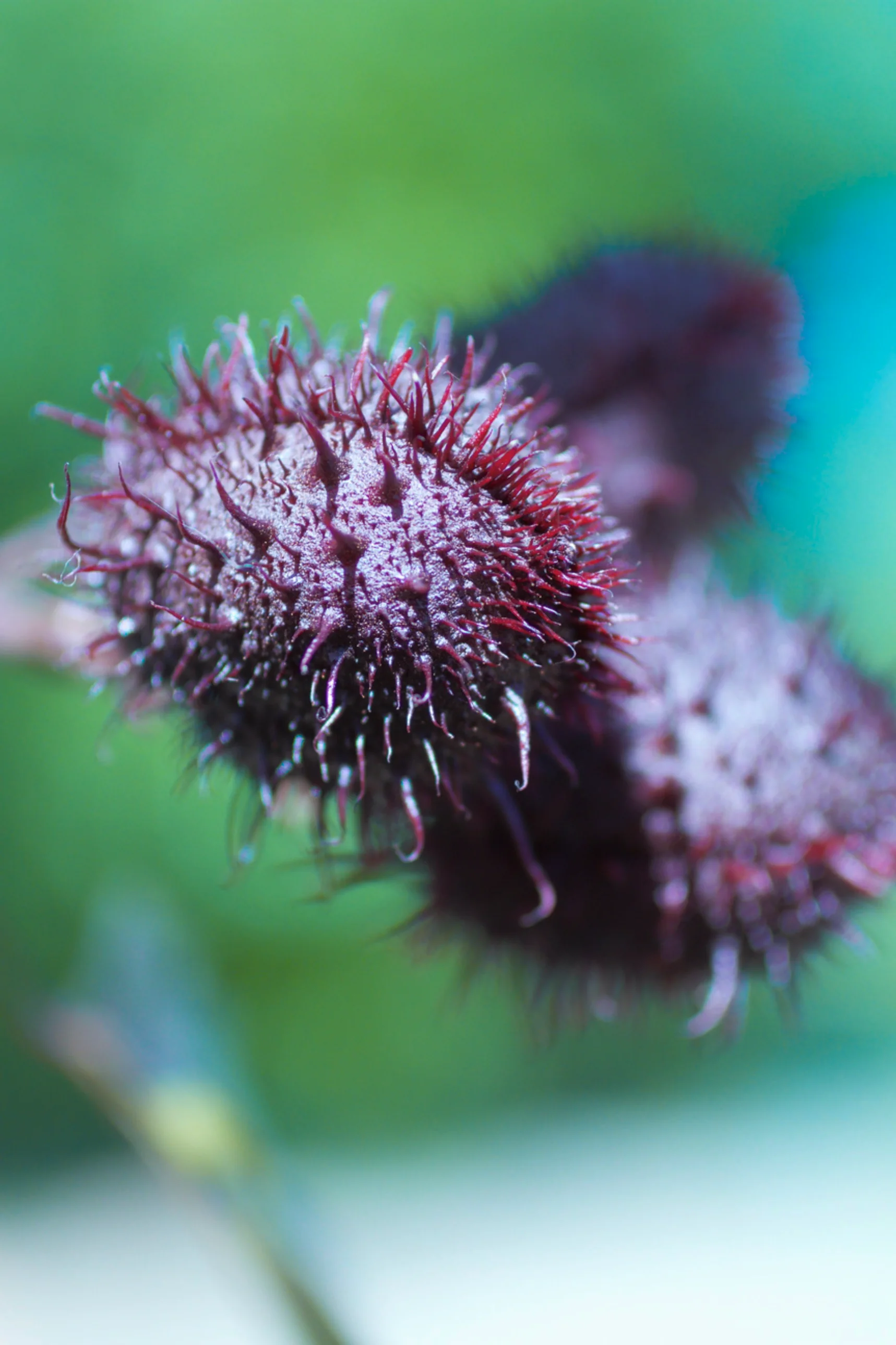
    Achiote Bixa orellana

    Sacred red seeds used for protection and as natural paint in Shipibo tradition.

These and other plants are available for treatments and dietas. Consult with Don Enrique for availability and the best fit for your needs.

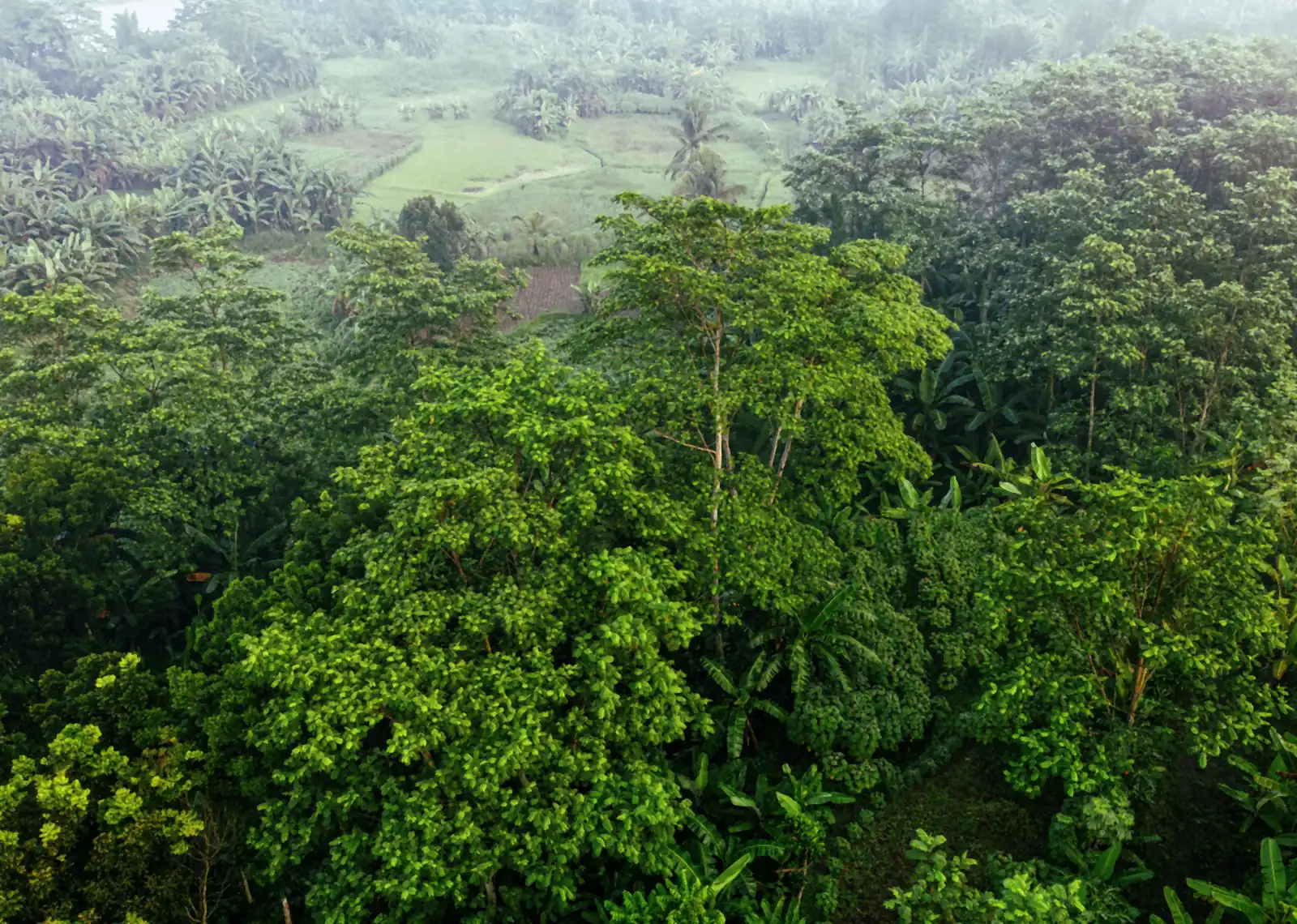
Aerial view of lush Amazon jungle with tall trees, banana plants and misty clearings

Master plants

Healing rooted in the jungle

Retreats

Choose your journey

Small groups, personal care and time to integrate, deep in the rainforest of the Peruvian Amazon.

Every retreat includes your private tambo with private toilet and shower, dieta meals and ceremonies with our Shipibo healers.

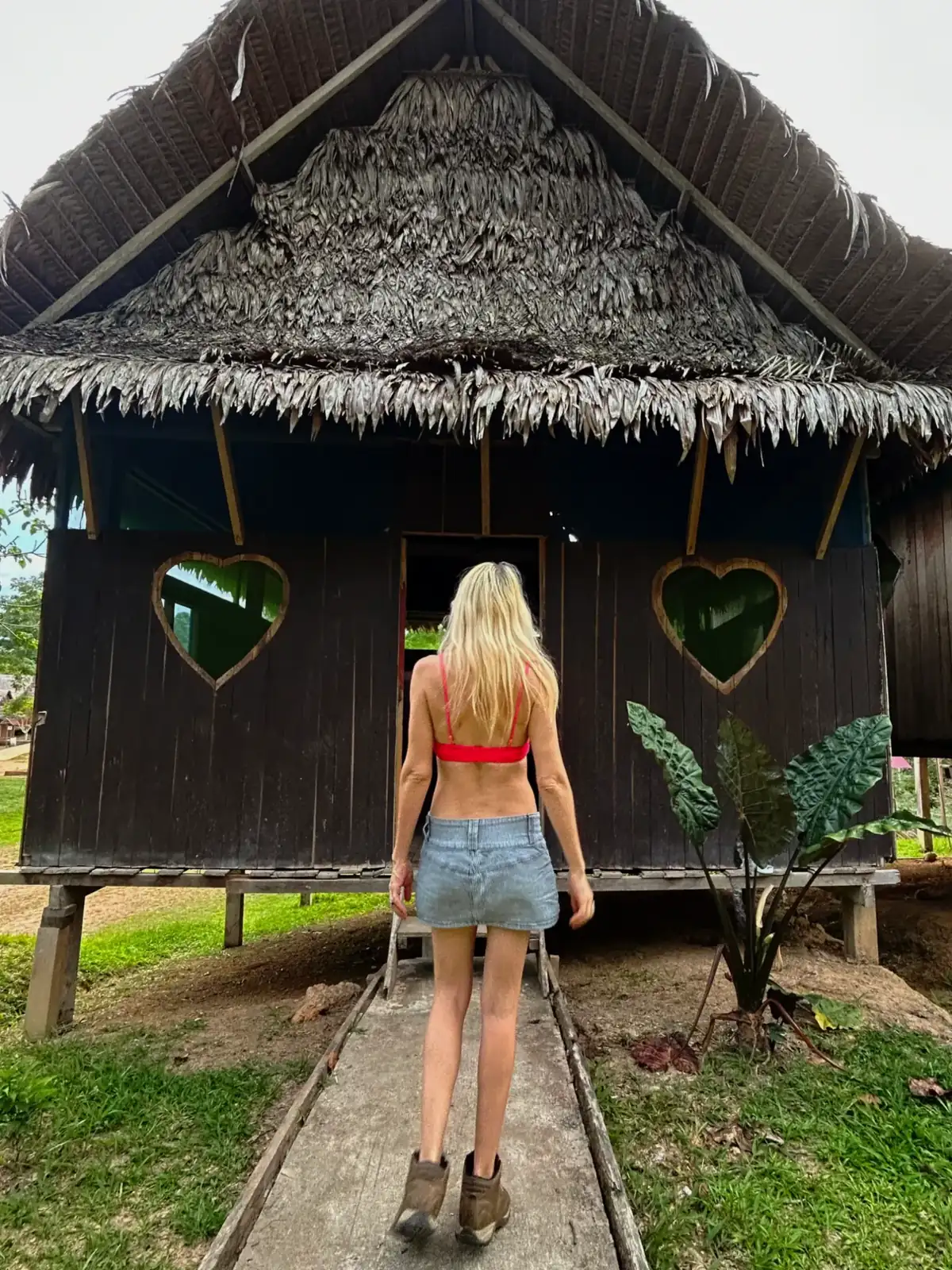
A woman walking toward a thatched wooden tambo with heart-shaped windows

Ayahuasca Retreat

An introduction to Shipibo ayahuasca ceremonies, with time to rest and integrate between them.

Price on request

Enquire
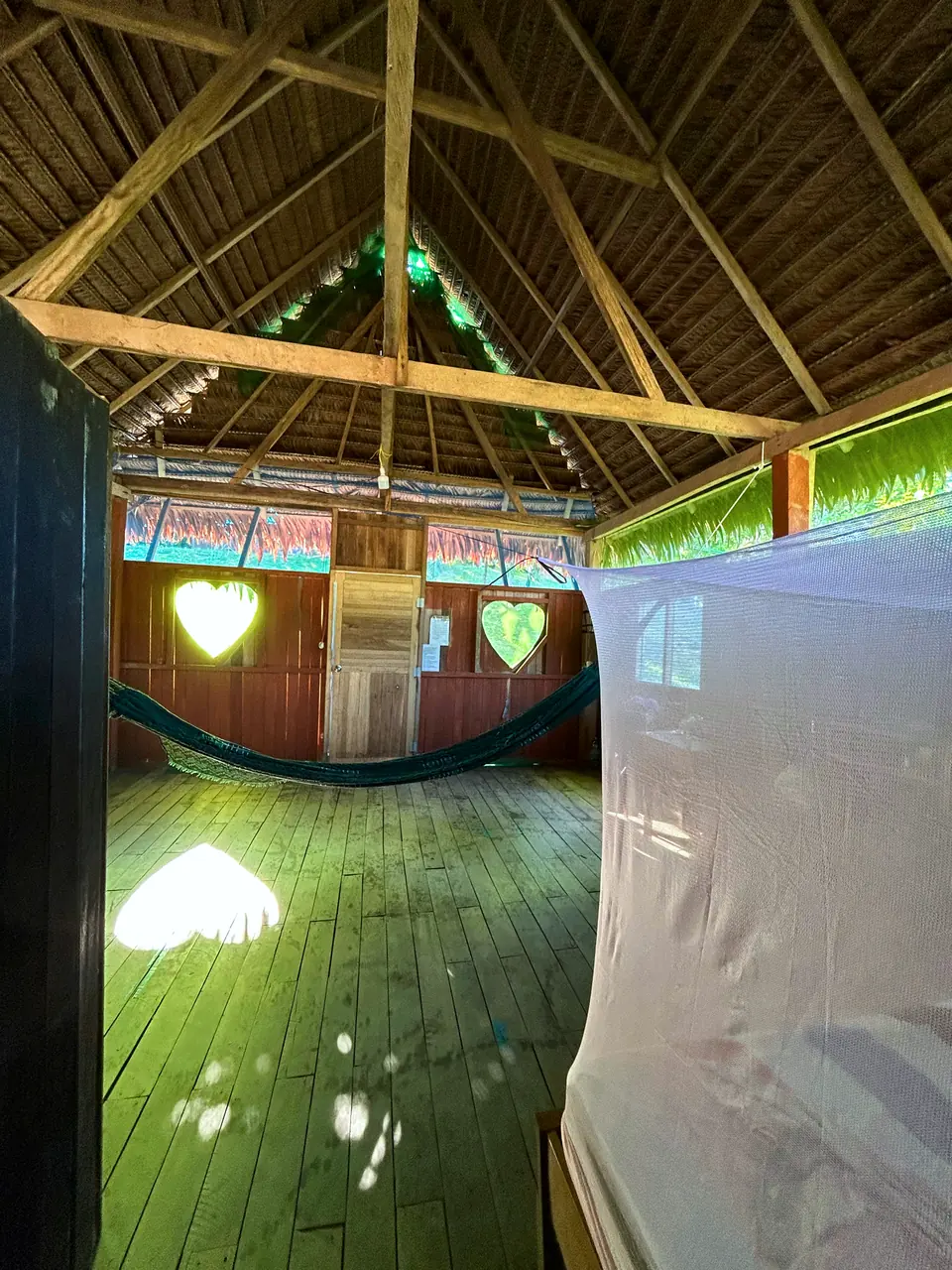
Inside a tambo: a hammock, a bed with a mosquito net and heart-shaped windows

Plant Treatments

Ceremonies combined with a master plant dieta chosen for you by the healers.

Price on request

Enquire
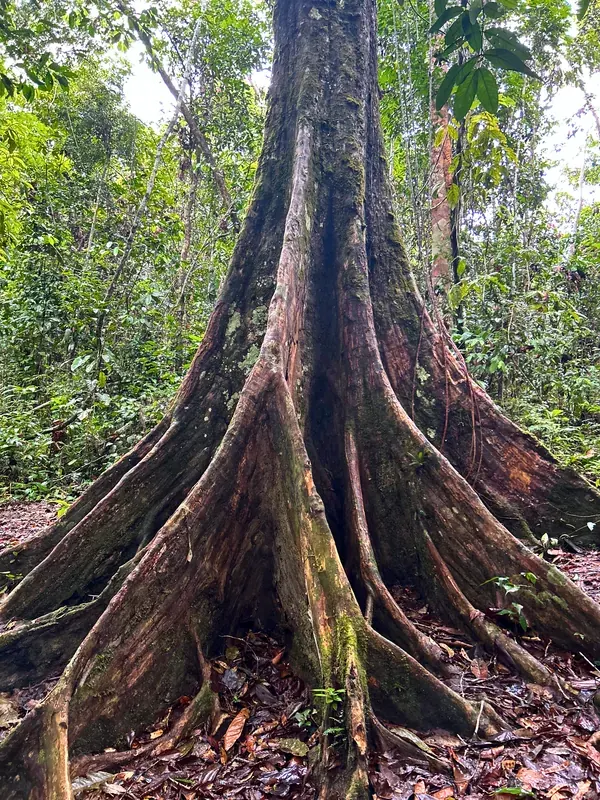
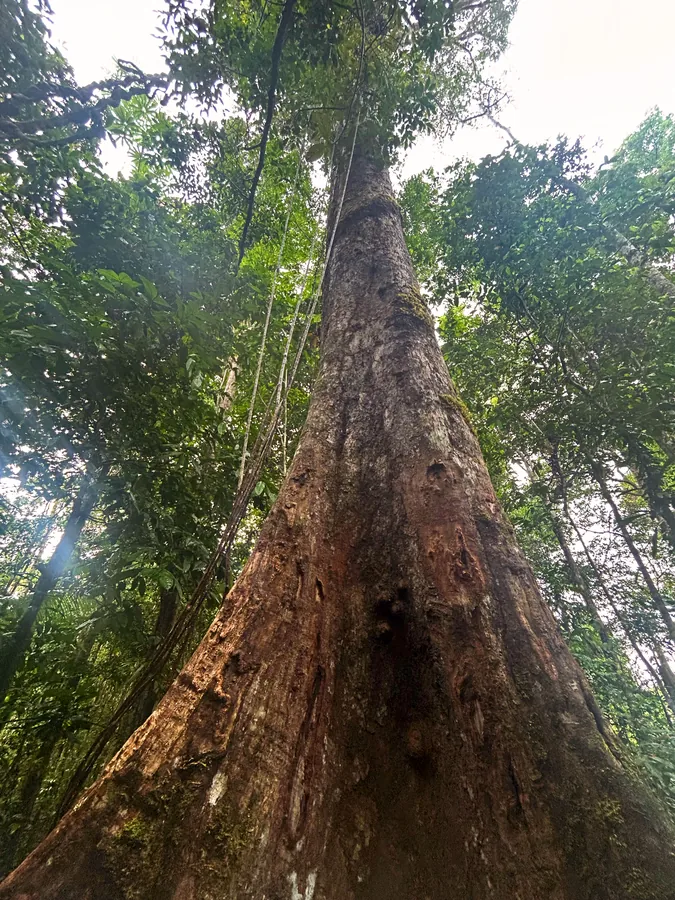
Looking up the huge trunk of a giant rainforest tree into the canopy

Deep Master Plant Dieta

A longer, traditional dieta for those called to go deeper with one teacher plant.

Price on request

Enquire

Andes · Coming soon

Retreats in the Peruvian Andes

Dates and programs for our Andes retreats will be announced soon.

Join the waiting list
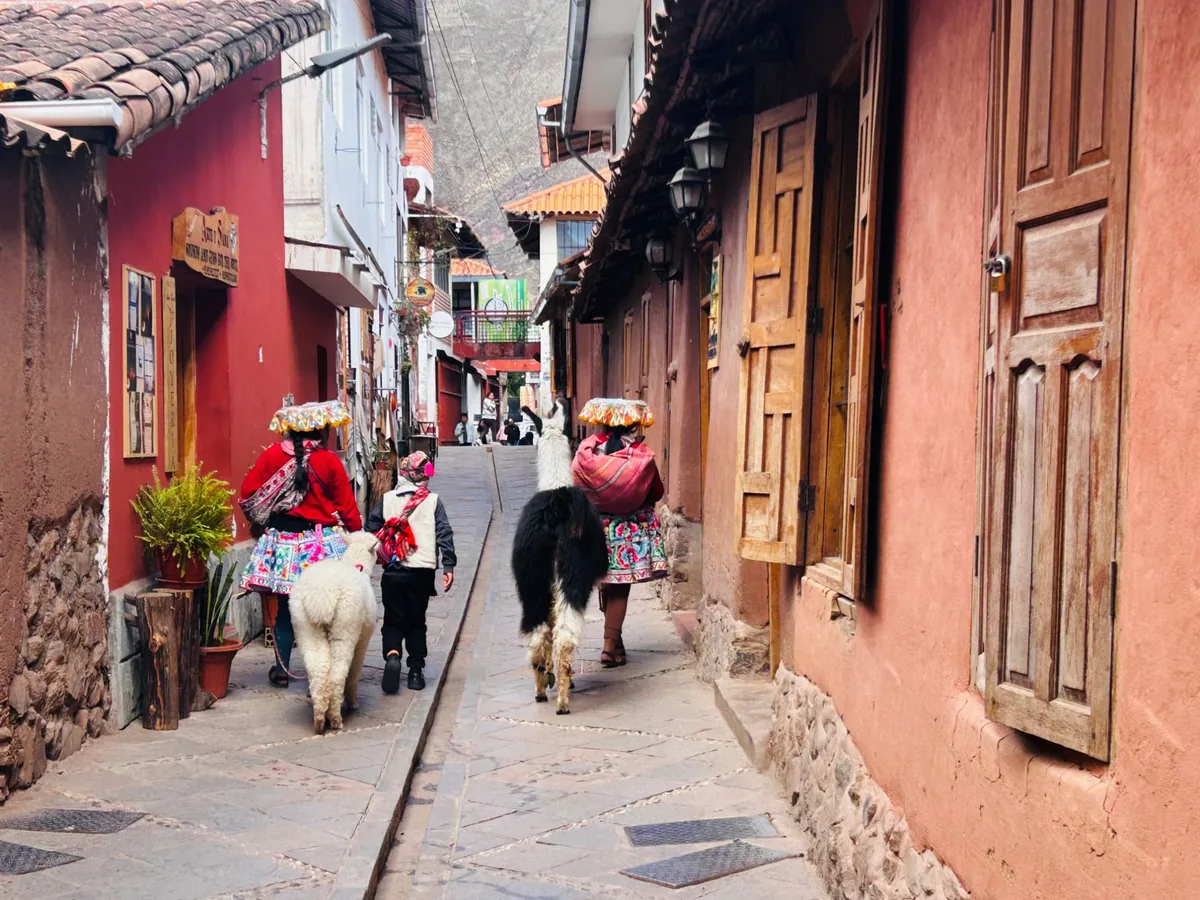
Quechua women in traditional dress walking with a llama and an alpaca along a narrow street in Pisac
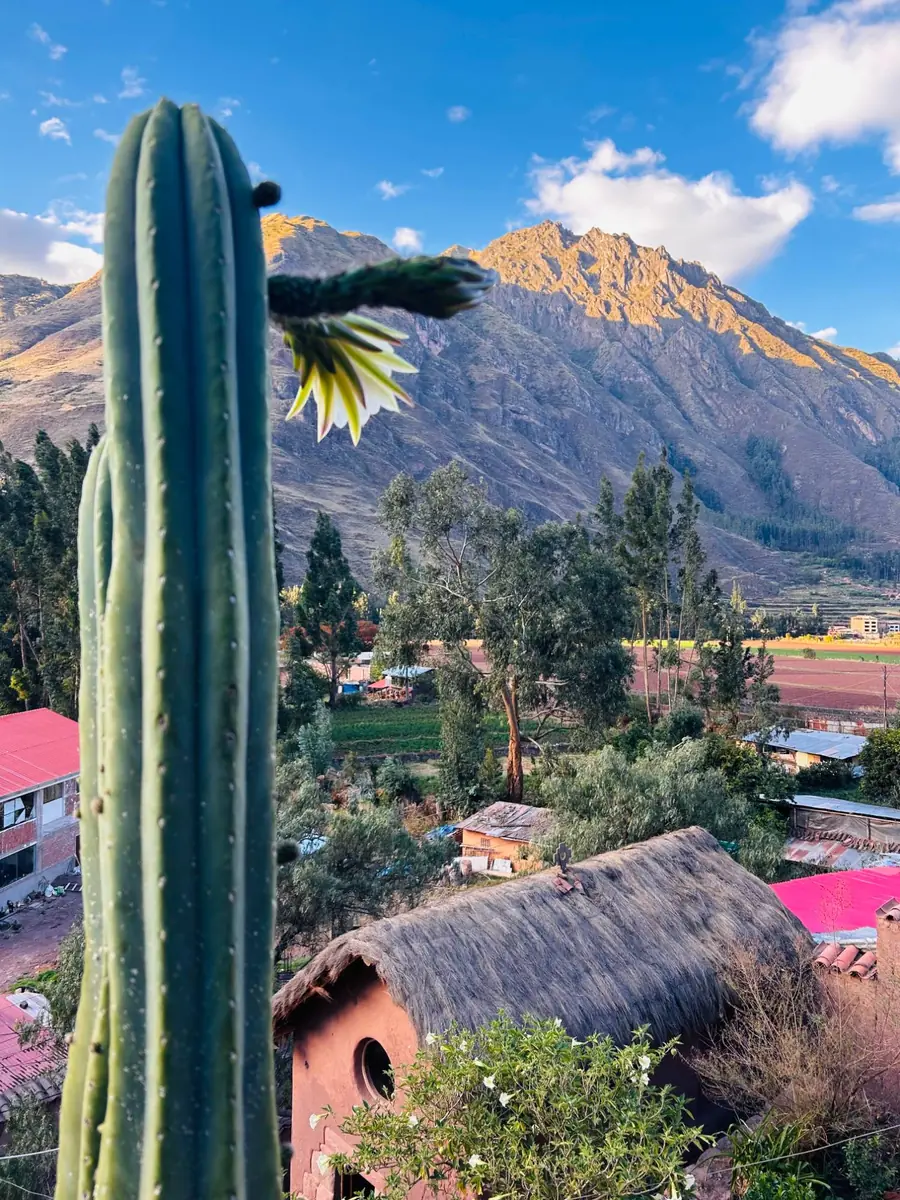
A flowering cactus in front of the mountains and fields of the Sacred Valley at Pisac

Every participant completes a personal medical and medication screening before being accepted. How we keep you safe

Safety & medical screening

Your safety comes first

Ayahuasca and the master plants are powerful medicines. They are not safe for everyone, and they can interact with certain Western medications. That is why every person is carefully screened before they are accepted to a retreat.

  1. 01

    Personal screening

    Before your retreat, we go through a detailed screening with you: your health history, mental health and any medication you take.

  2. 02

    Verified with your doctor

    When needed, we take the time to contact your own doctor to confirm the information, so nothing is left to guesswork.

  3. 03

    Reviewed with Don Enrique

    Any risks or contraindications between Western medicine and the plants are explained to Don Enrique, so the maestro can make informed decisions about your care.

  4. 04

    A clear, honest answer

    If the plants are not safe for you, we will tell you. We decline participants when the safety requirements are not met, because your life and wellbeing come first.

The Amazon center

Walk through Kesten Rono

From the forest path to the tambos, the maloka and the kené-painted walls: a quiet walk through the place where the Amazon retreats are held.

A square Shipibo design: Shipibo-Konibo phrases written in a spiral, framed by stepped kené motifs, corner brackets and a border of diamonds
Listen to an icaro Sung by Don Enrique López (Kesten Rono) Shipibo curandero · Roaboya, Ucayali River

An icaro is a medicine song, and in a Shipibo ceremony it matters as much as the medicine itself. The ceremony is held in darkness and the healer's songs are the only music. There is no set list: the healer sits still, senses what each person needs, and lets the icaro come. Each icaro calls on specific plants he has dieted (not only ayahuasca), and at times ancestors or animal spirits, to cleanse and protect body and spirit, soothe wounds and release energy that does not belong to the person. If the chants feel overwhelming at first, surrender to them: they are sung for your healing.

Shipibo Language Course

Speak the language
of the icaros

Learn Shipibo-Konibo with native speakers from our community. You'll learn everyday words, the meaning of the icaros and the stories woven into the kené designs. It's a way to connect more deeply with the medicine and to support a living indigenous language.

Irake
Thank you
Jakon
Good, beautiful
Kené
The sacred Shipibo designs
Ask about the next course

Reviews

Words from our guests

What people shared with the Kesten Rono team after their stay. To respect our guests’ privacy and confidentiality, we share their words by first name only.

Begin your journey

The forest is waiting

Write to us with your questions. We'll guide you through the medical screening, preparation and arrival.