Plant Treatments & Dietas

Learning from the
master plants

A dieta is a traditional Shipibo practice: a period of time in isolation and simple food while you take one master plant. The plant becomes your teacher. Guided by the healers, each dieta is chosen for what you came here to heal.

The plants that know how to decorate a body

Among the Shipibo-Konibo and their neighbors in the Western Amazon, healing is not a chemical event. It is a relationship — carried out through diet, song, and the deliberate cultivation of alliances with plants understood to be persons in their own right.

Engraving-style illustration of the Shipibo story of Noya Rao: the great Noya Rao tree with its tall buttress roots, inside a circle of light, rises from the floating village of Cumancaya above the rainforest and the winding Ucayali River at sunset
The flying village of Cumancaya After dieting Noya Rao, the flying medicine tree, a whole village rose into the sky above the Ucayali, kept aloft by an unbroken river of song.

Remedy, and ornament

Rao

In Shipibo, a plant remedy is rao. The word carries a second meaning that shapes the whole practice: rao also means ornament, or decoration. Illness is understood as an unadorned, disordered state, and to heal is to decorate the patient back into order — restoring a clean, socially proper condition rather than simply eliminating a pathogen. Remedies are given both externally, as ritual baths, lotions, and plasters, and internally, as teas, or decoctions.
The plant as a person

Ibo

A healer does not select a plant for a measurable active compound — many plants used in this tradition contain none that biomedicine can detect. What matters instead is the plant’s ibo: its animating spirit, its owner.

When a médico prepares a treatment, the work is relational. He addresses the plant’s spirit directly — communicating with it, instructing it, inviting it to pass its particular quality, whether warming, protective, or restorative, into the patient’s body.

The diet

Samá

The primary way a healer — or anyone — comes to know a plant is samá, dieting: withdrawing to an isolated place, in the forest or a secluded house, and living under strict restriction. Salt, sugar, fat, meat, alcohol, and sexual contact are all set aside while a single plant preparation is taken periodically over the diet’s course.

What the dieter builds through samá is not knowledge in the abstract but an internalized quality: sharpened shinan (mental strength), stronger boman (vocal power), and a personal bond with that plant’s ibo.

Apprentice healers spend years dieting teacher plants — mokapari, ayahuma, bobinsana — to learn curing songs and to strengthen the healing power. The practice is not reserved for specialists: a pregnant woman may diet iwi waste, ray-fish grass, specifically to ease childbirth.

Principal plants

  1. 01

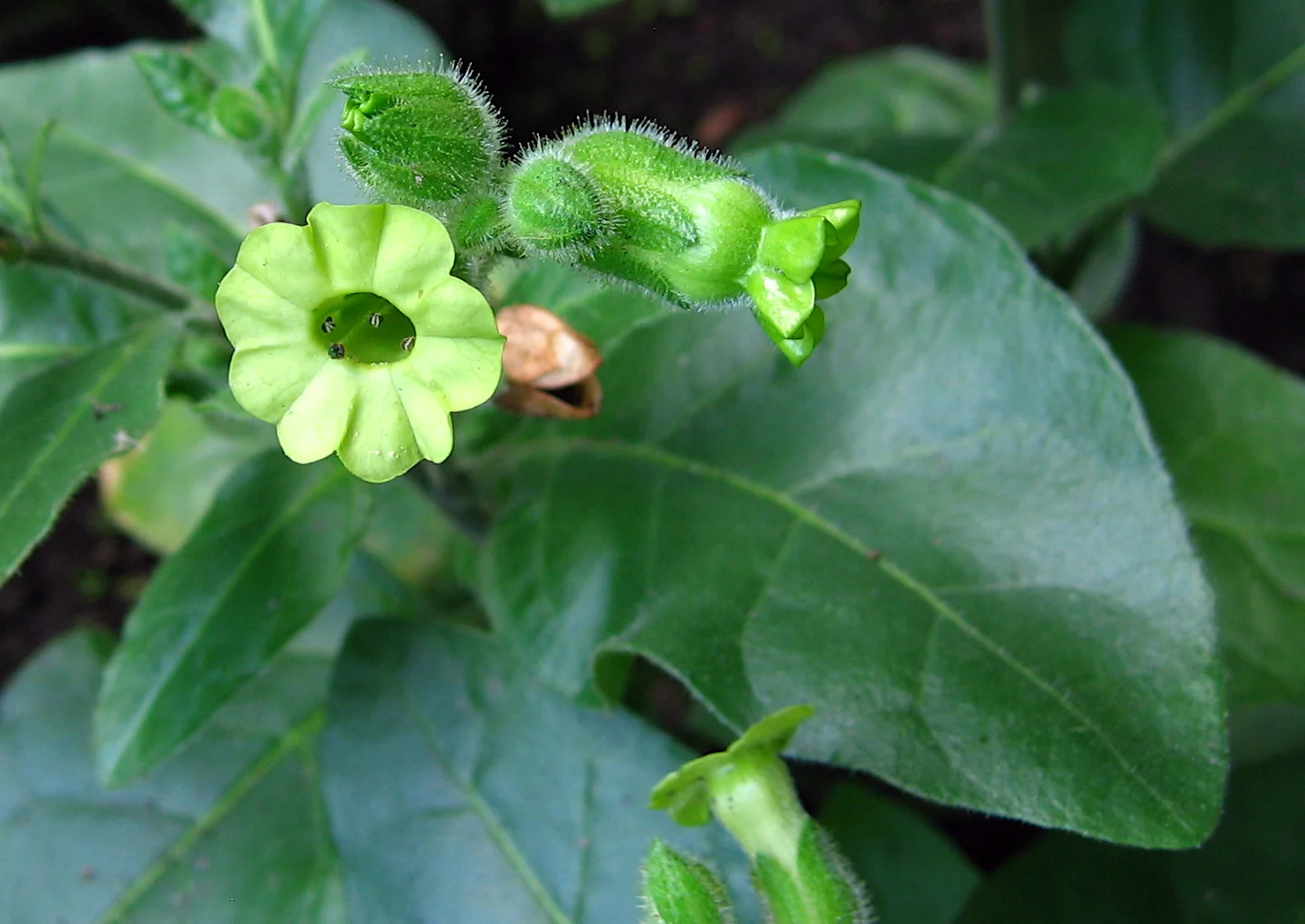
    Tobacco rome · sheri

    The oldest and most essential master plant in Western Amazonian practice. Taken as cigars, through a pipe, or as tobacco water; considered food for the yoshin, used to feed spiritual allies, activate other remedies, and blow away bad air.

  2. 02

    Ayahuasca nishi · oni

    A brew of Banisteriopsis caapi and Psychotria viridis, taken by healers to enter visionary states, open the kano landscape, diagnose illness, and speak directly with non-human persons. Historically one method among several — traditional practice leaned more heavily on plant diets and tobacco than on ayahuasca alone.

  3. 03

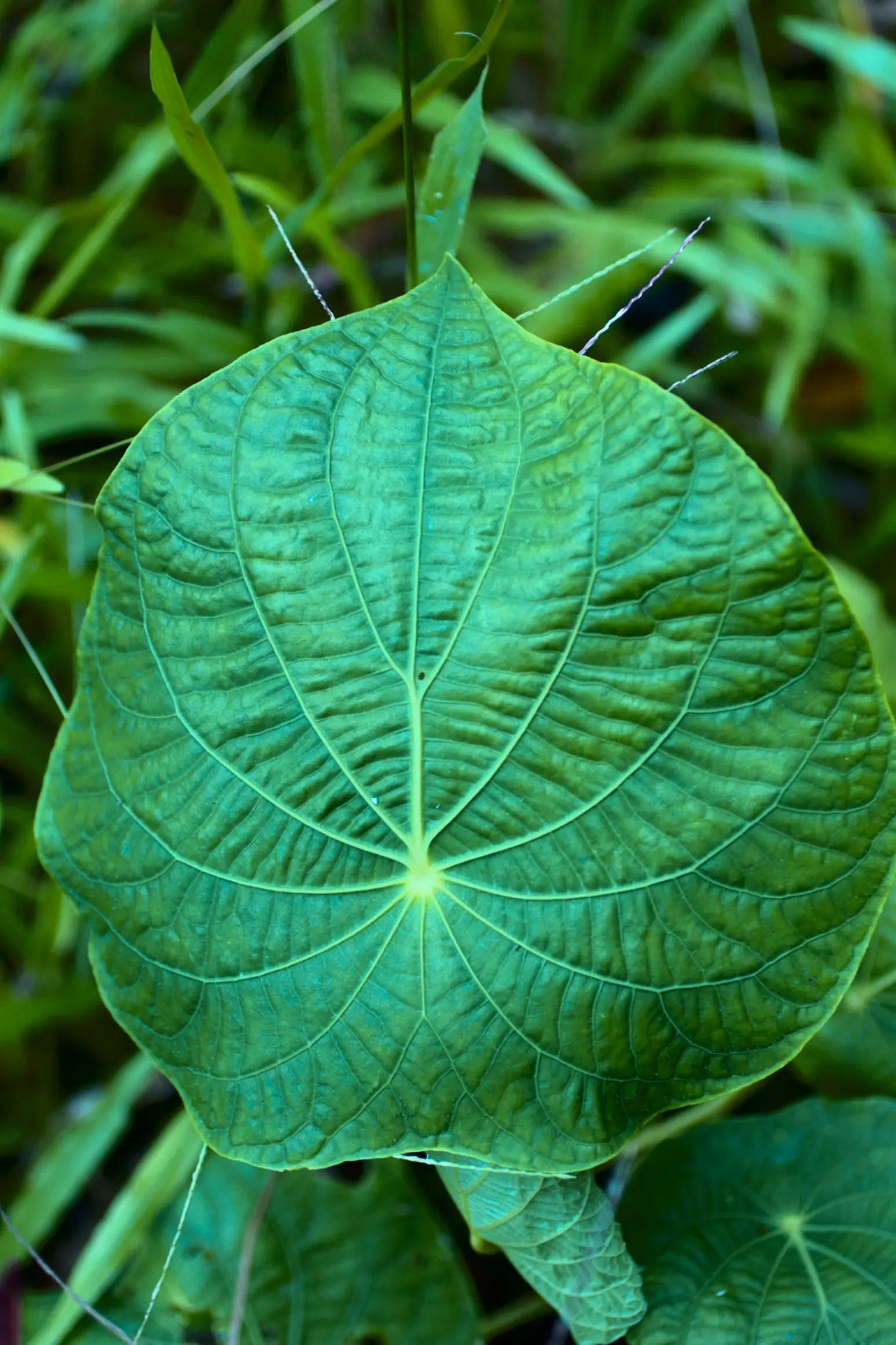
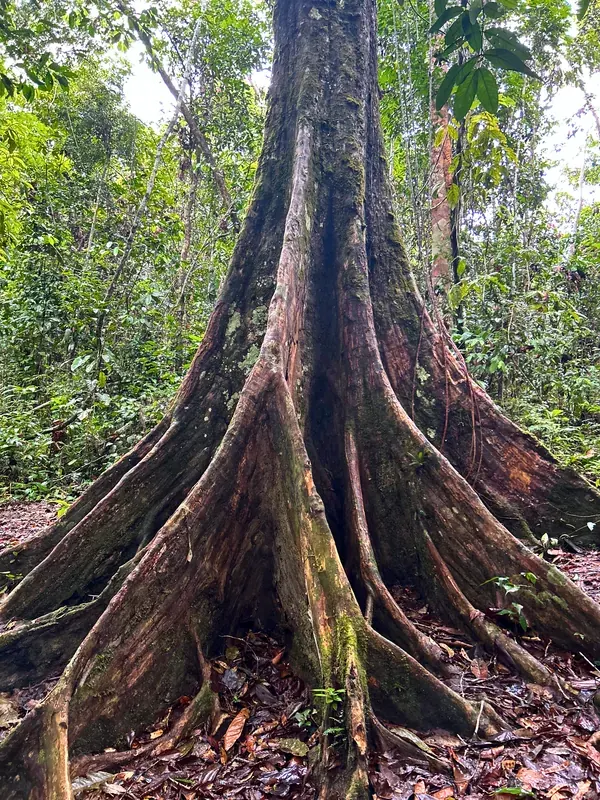
    Noya Rao the Flying Tree

    A master plant that carries the light of knowledge, and it appears in ancient Shipibo stories. Dieteros from around the world hold it dear. Its botanical identity has not been confirmed; Terminalia amazonia has been proposed.

  4. 04

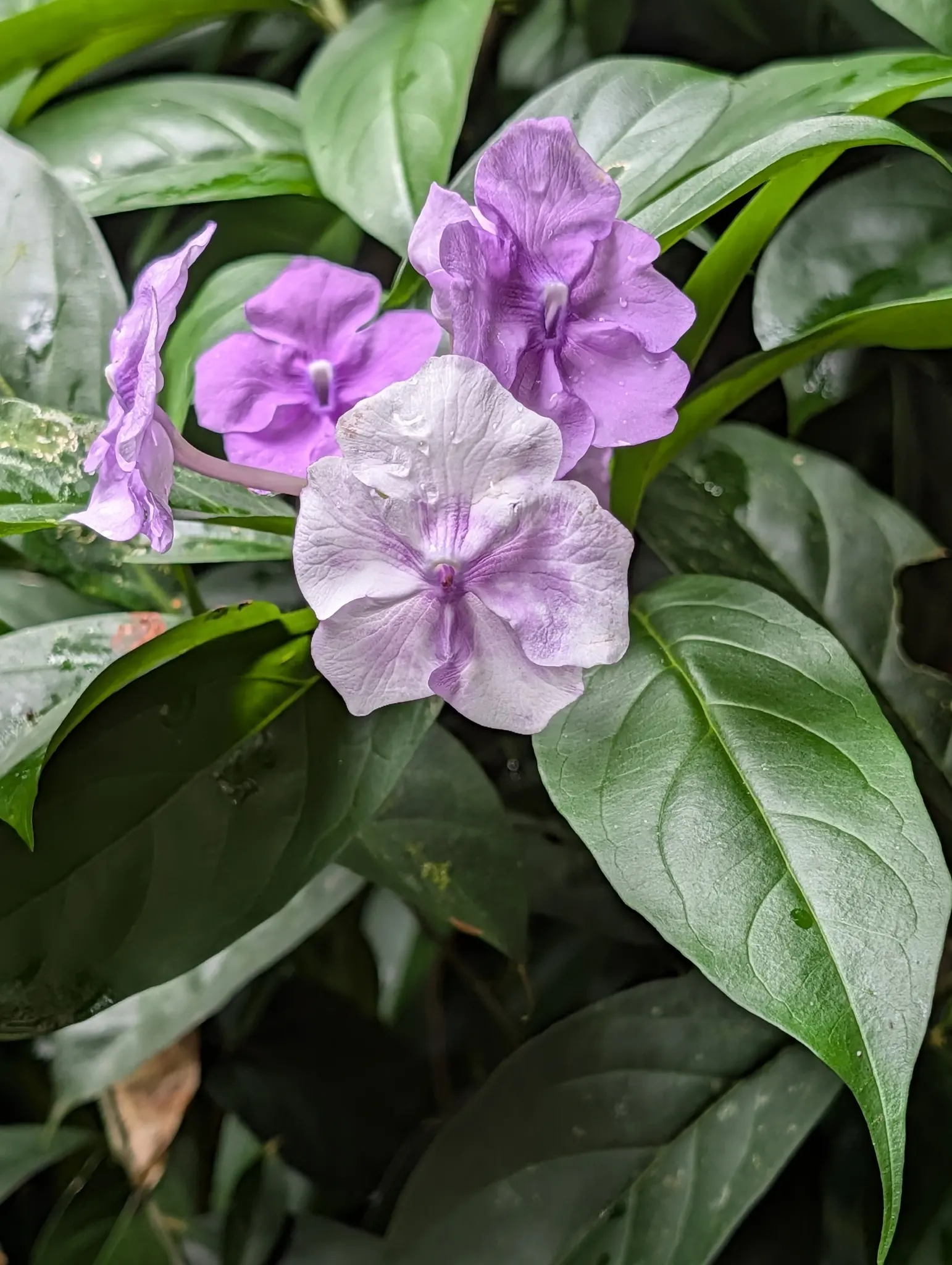
    Mokapari Chiric Sanango · Brunfelsia grandiflora

    A teacher plant dieted to treat conditions of coldness — rheumatism, shivering, diminished vitality — by transferring its warming quality to the dieter.

  5. 05

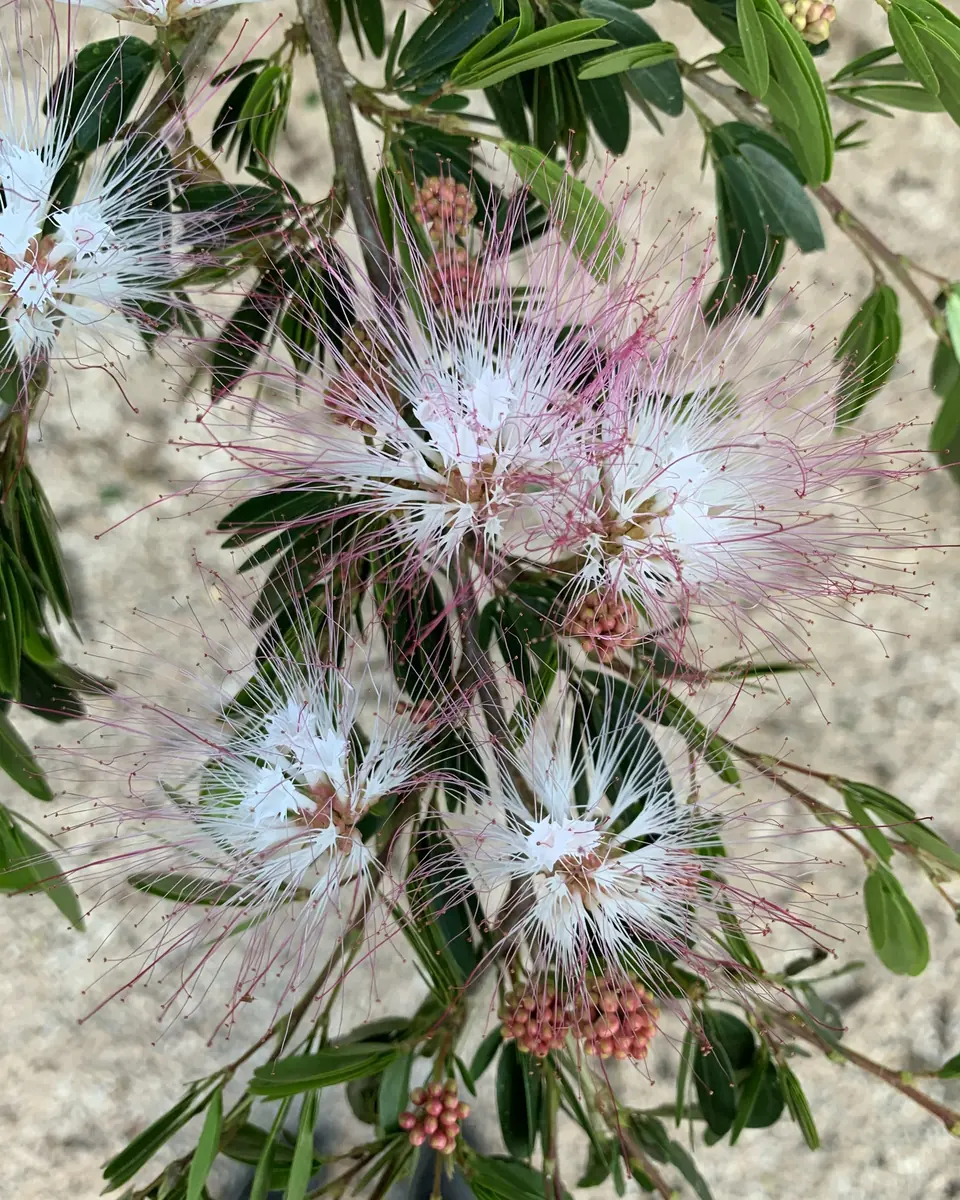
    Bobinsana Calliandra angustifolia

    A shrub of the riverbank, dieted for spiritual strength, protection, and artistic inspiration.

  6. 06

    Kene waste Cyperus spp. · iwi waste

    A family of sedges whose roots are prepared toward specific ends — easing childbirth, sharpening hunting luck, or love magic — depending on the species and the intention behind the diet.

  7. 07

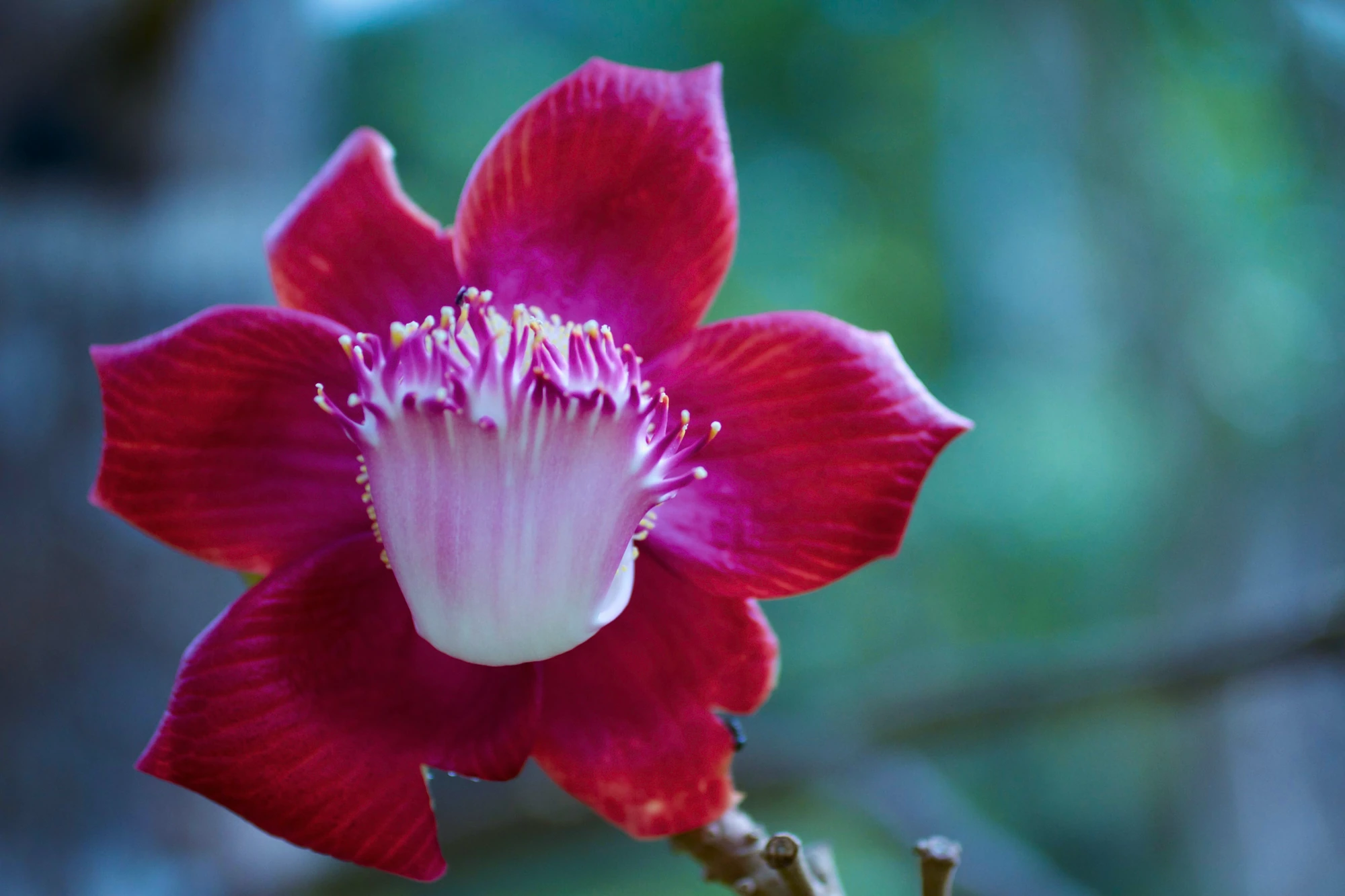
    Ayahuma Couroupita guianensis

    The cannonball tree, traditionally dieted for protection, grounding and strength.

  8. 08

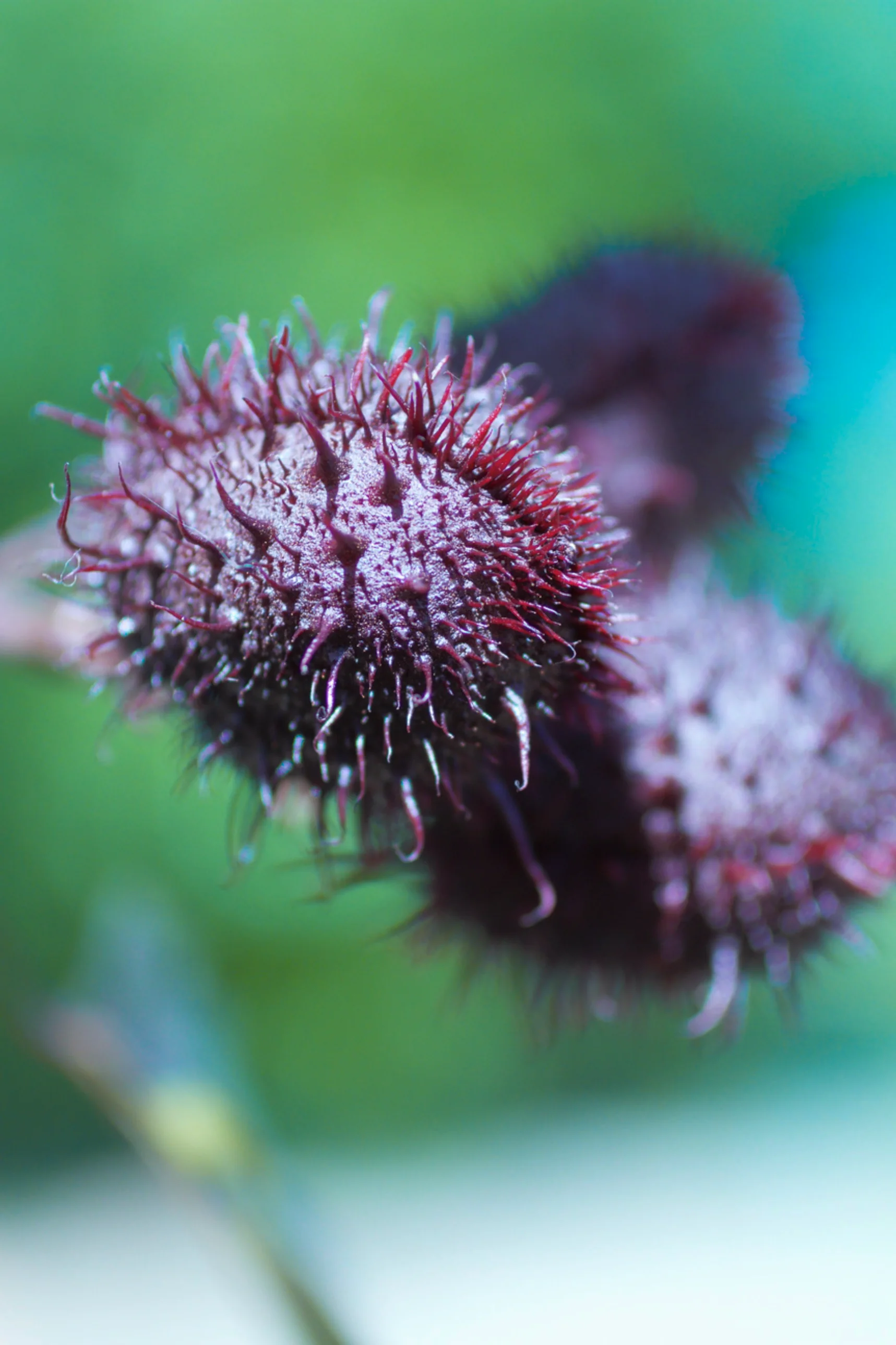
    Achiote Bixa orellana

    Sacred red seeds used for protection and as natural paint in Shipibo tradition.

These and other plants are available for treatments and dietas. Consult with Don Enrique for availability and the best fit for your needs.

Begin your journey

The forest is waiting

Write to us with your questions. We'll guide you through the medical screening, preparation and arrival.